
Do Clinical Trial Participants Get Paid?
10 December 2025
Do Clinical Trial Participants Get Paid?
If you've ever wondered whether people get paid to participate in clinical trials, you're not alone. It's one of the most common questions people ask when considering joining medical research. The short answer is: sometimes, yes—but it's more nuanced than you might think.
Understanding Reimbursement vs Payment
In Australia, clinical trial participants typically receive what's called "reimbursement" rather than payment. This might sound like splitting hairs, but there's an important ethical distinction. Reimbursement covers your time, travel costs, parking, and any inconvenience you experience by participating. It's not meant to be a wage or a way to make money.
Medical researchers emphasise this distinction for an important reason. They aim to recruit participants who are genuinely motivated by the opportunity to contribute to scientific progress or explore new treatment options—not those driven primarily by financial need. Excessive compensation could inadvertently coerce individuals into enrolling in studies that may not suit them, potentially leading to poorly informed decisions influenced more by monetary gain than by personal or medical considerations.
What Can You Expect?
The amount you might receive varies widely depending on the trial. A simple study requiring one or two visits might offer modest reimbursement for your travel and time. More intensive trials requiring multiple appointments, overnight stays, or extensive testing could provide several hundred or even thousands of dollars in total reimbursement.
Phase I trials
(testing new drugs in healthy volunteers) often provide higher reimbursement because they require more time commitment and may involve staying overnight in a clinical facility for days at a time. Patient trials for existing conditions, where you might benefit directly from the treatment being studied, typically offer lower reimbursement.
What's Actually Covered?
Most Australian trials will reimburse you for any (or all) of the following:
• Travel expenses and parking
• Time away from work
• Meals during study visits
• Accommodation if needed
• General inconvenience
The trial coordinator should explain all financial arrangements upfront, so you'll know exactly what to expect before you commit.
The Bottom Line
While you can receive compensation for participating in clinical trials, it shouldn't be your primary motivation. Think of it as fair recognition for your contribution to medical research rather than income. The real value often lies in accessing cutting-edge treatments, receiving thorough medical monitoring, and knowing you're helping future patients. Find out more about why clinical trials matter
in our blog.
If you're considering a clinical trial, always ask about reimbursement during your initial discussions—it's a perfectly reasonable question, and any reputable research team will be transparent about it.
To view our list of currently enrolling clinical trials, visit our study page.

Wondering why some clinical trials have an upper age limit? Find out how eligibility criteria work and explore trials open to all ages with Novatrials.

Discover how Novatrials grew from a small Newcastle site into Australia's largest regional clinical trials centre. Learn how you can get involved today.

On International Clinical Trials Day, Novatrials officially opened Australia's first purpose-built regional Phase I clinical trials facility in the Hunter Region

International Clinical Trials Day is celebrated every year on 20 May. Novatrials thanks our team and participants for advancing healthcare research in Australia.

Wondering why clinical trials require contraception? We explain the safety reasons, which methods are accepted, and what to do if you're planning a pregnancy.
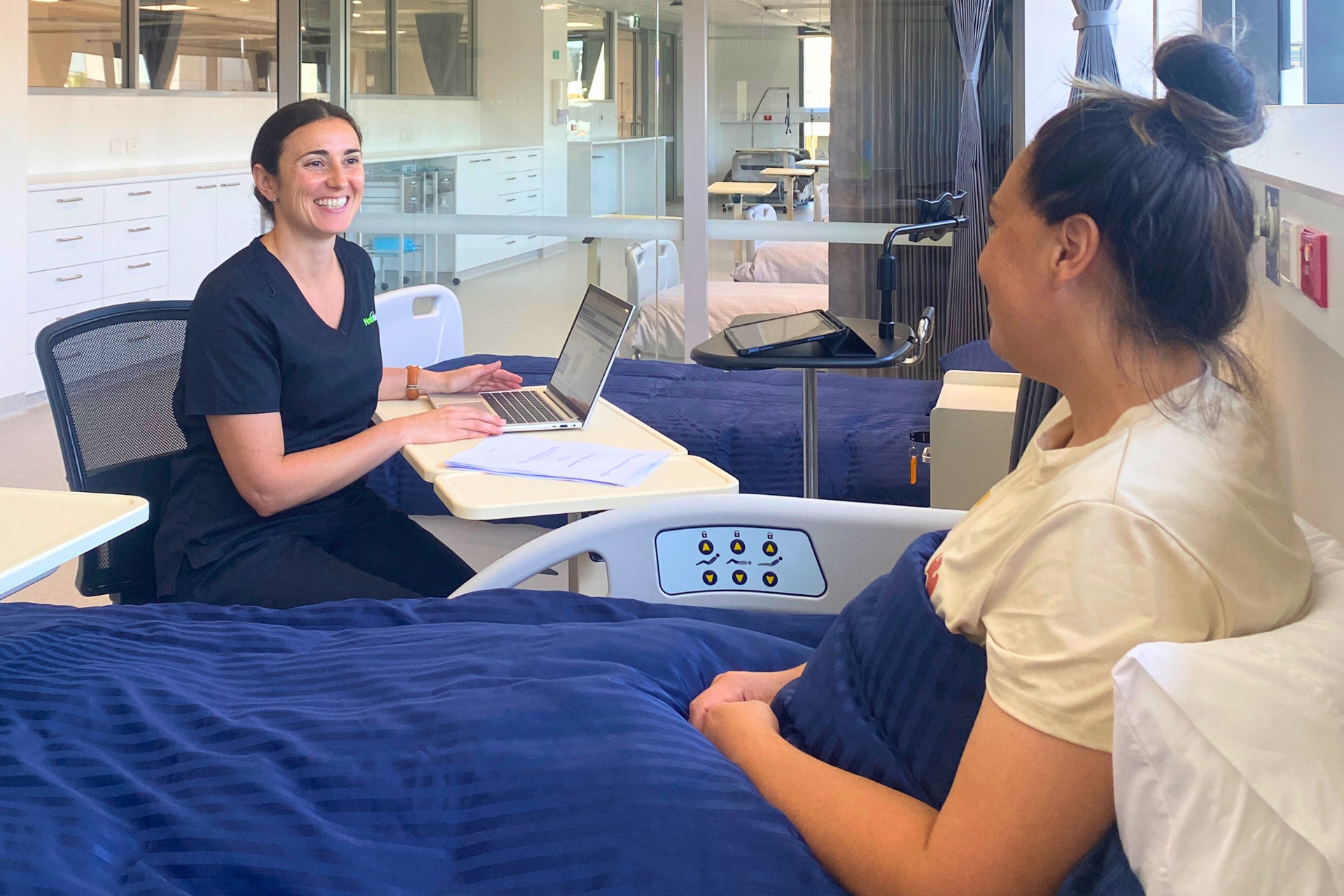
Discover what placebos are and why they're essential in clinical trials. Learn how researchers use them to test new treatments and ensure they really work.
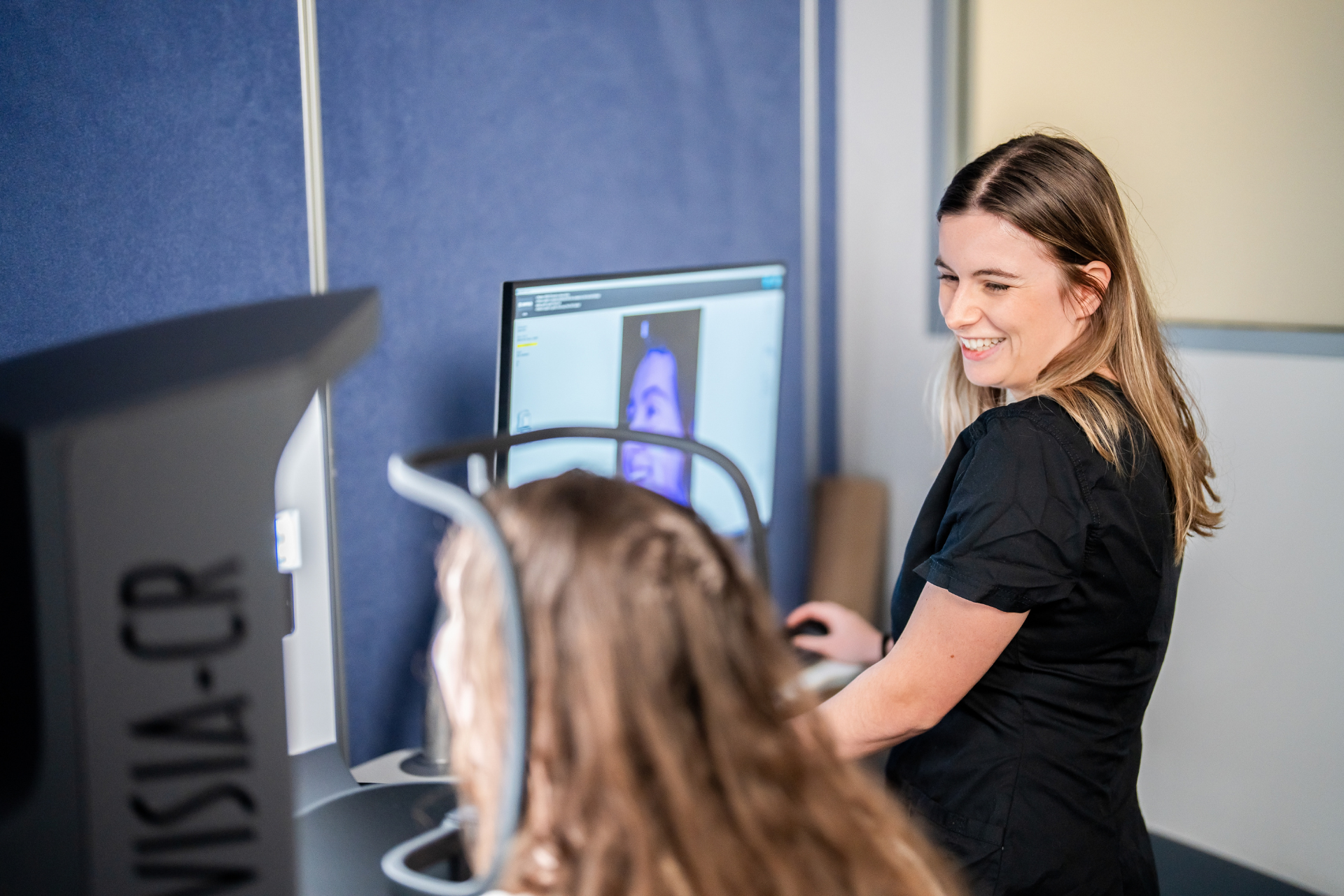
Learn what a Participant Information and Consent Form (PICF) is, why it matters, and how it protects your rights when participating in research in Australia.
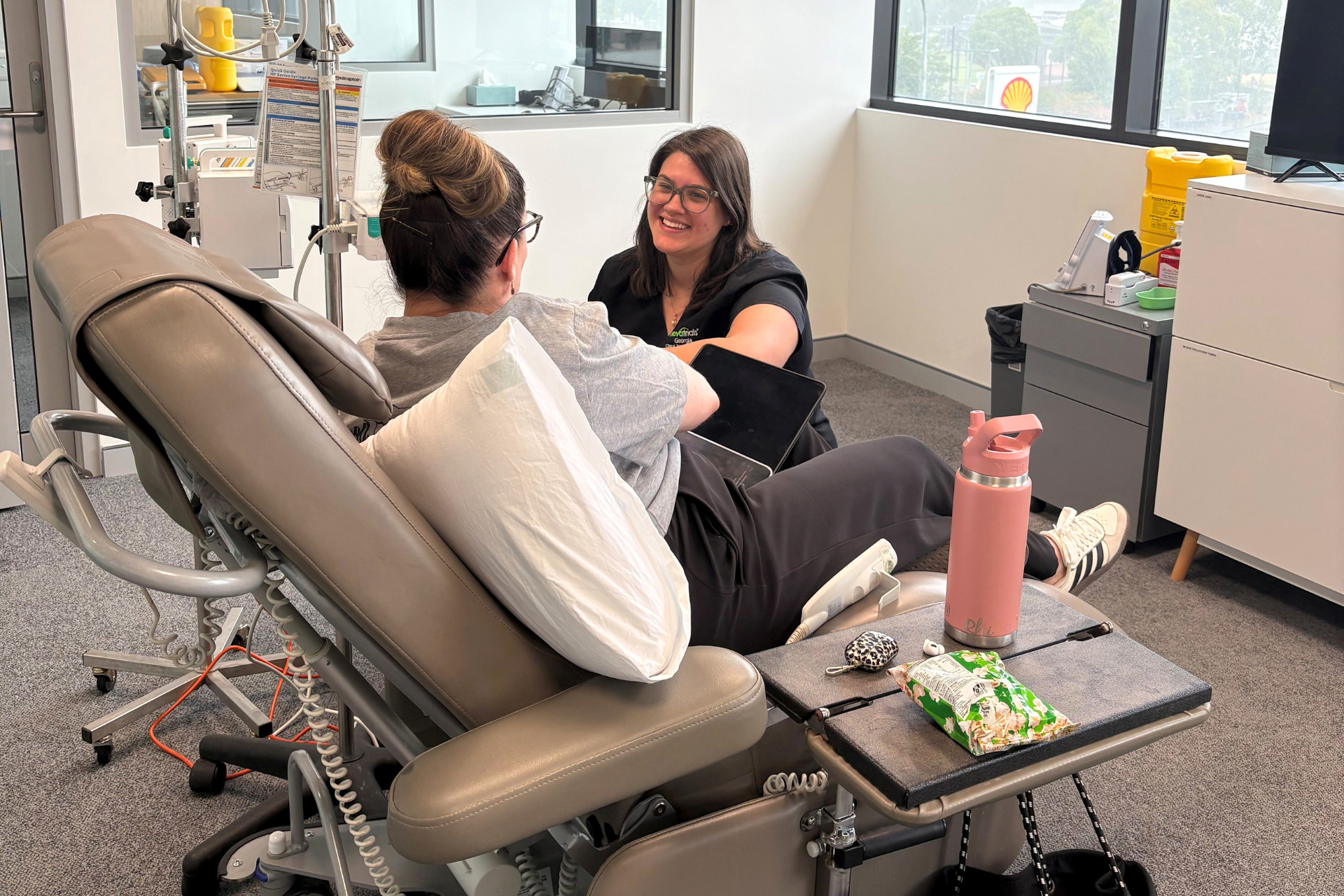
Discover what a clinical trial protocol is and why it matters. Learn how these detailed plans ensure participant safety and reliable medical research results.

Discover the benefits of participating in clinical trials in Australia, from accessing new treatments to contributing to medical research. Learn what's involved.

Discover why clinical trials are essential to healthcare. Learn how medical research studies test new treatments, protect patients, and advance medicine in our blog.