Randomisation and Blinding in Clinical Trials

15 October 2026

Randomisation and Blinding in Clinical Trials

If you're thinking about joining a clinical trial, you might come across two words that sound a bit intimidating: randomisation and blinding. The good news is that both ideas are simpler than they sound, and both exist to keep trials fair and trustworthy.


What is randomisation?

Randomisation means participants are placed into groups by chance, a bit like flipping a coin or drawing names out of a hat. In many trials, one group receives the new treatment being tested and the other receives a comparison. That might be the current standard treatment or a placebo, which is a harmless, inactive treatment that looks like the real thing.


Why does chance matter? If people could choose their own group, differences could sneak in and results could become biased. For example, if the healthiest people all ended up in the new treatment group, the treatment might look better than it really is. Random allocation spreads things like age, health and lifestyle evenly across the groups. That means any difference in results is much more likely to come from the treatment itself.


What is blinding?

Blinding means some or all of the people involved don't know who is receiving which treatment. In a single-blind trial, participants don't know which group they're in. In a double-blind trial, neither the participants nor the researchers know until the trial is finished.


Expectations can be surprisingly powerful. If you believe you're getting a promising new treatment, you might feel better simply because you expect to. This is known as the ‘placebo-effect’. Researchers can be affected too. If they know who is on the new treatment, they might view results a little more favourably without meaning to. Keeping everyone in the dark helps make sure the results are honest.


Why does this matter to you?

Together, randomisation and blinding are two of the strongest tools we have for finding out whether a treatment truly works and is safe. The medicines and therapies that become available to everyone are built on this kind of evidence.


If you’d like to take part in a clinical trial, you can view the list of currently enrolling studies on our study page. 
Nurse and patient talking, nurse holding a tablet with charts
24 September 2026
Enrolled in a clinical trial? See what to expect at Novatrials, from treatment and overnight stays to monitoring, samples and reimbursement.
Doctor reviewing a document with a smiling patient in a clinic office
20 August 2026
Curious about a clinical trial screening visit? Find out what happens, who you'll meet, how long it takes and what comes next at Novatrials in Charlestown.
Two walkers in gray activewear walking on a forest trail, smiling.
30 July 2026
Wondering why some clinical trials have an upper age limit? Find out how eligibility criteria work and explore trials open to all ages with Novatrials.
Novatrials co-founders Karen Brennan and Toni McCallum Pardey
30 June 2026
Discover how Novatrials grew from a small Newcastle site into Australia's largest regional clinical trials centre. Learn how you can get involved today.
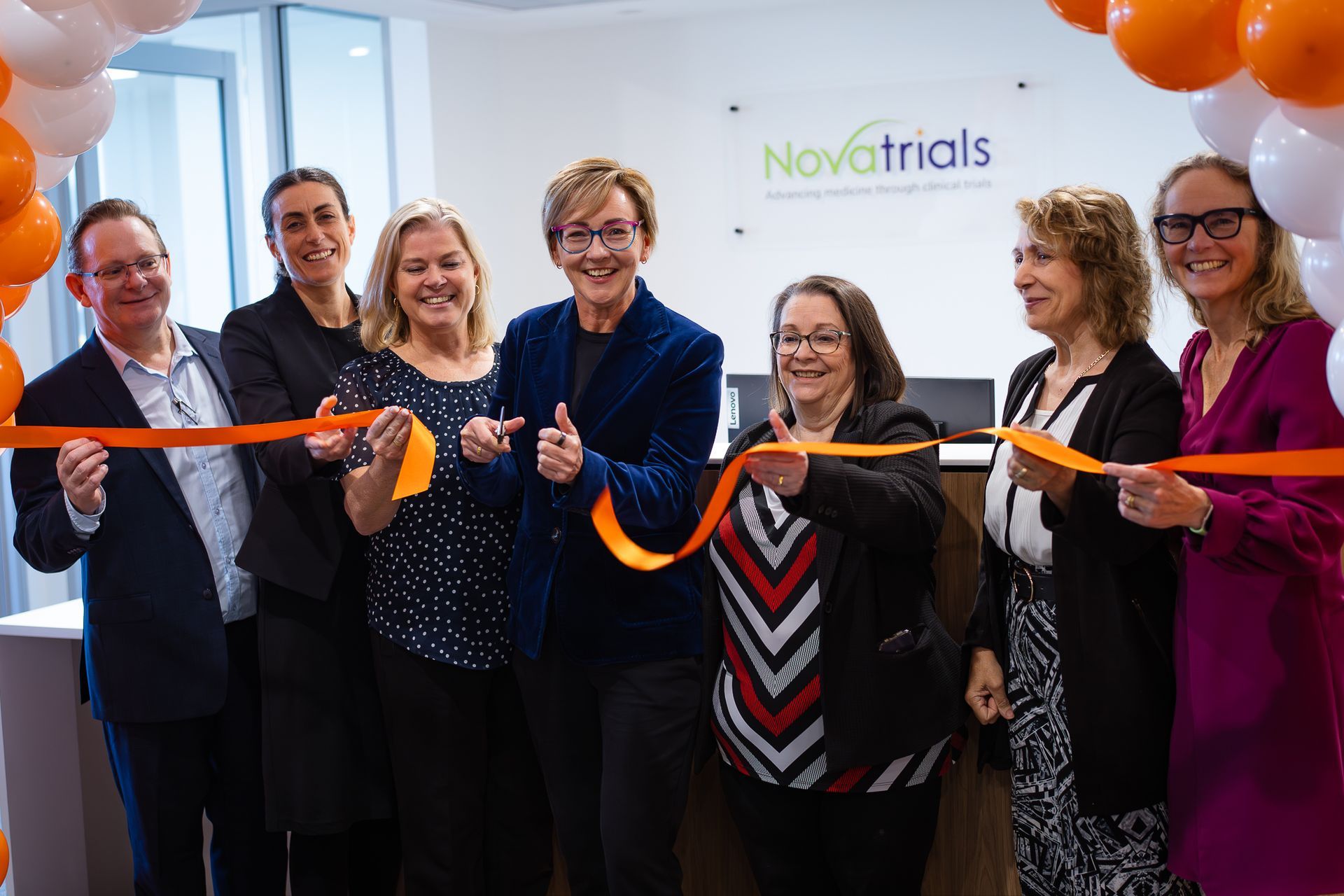
Ribbon-cutting ceremony with six people holding an orange ribbon in front of a Novatrials sign
21 May 2026
On International Clinical Trials Day, Novatrials officially opened Australia's first purpose-built regional Phase I clinical trials facility in the Hunter Region
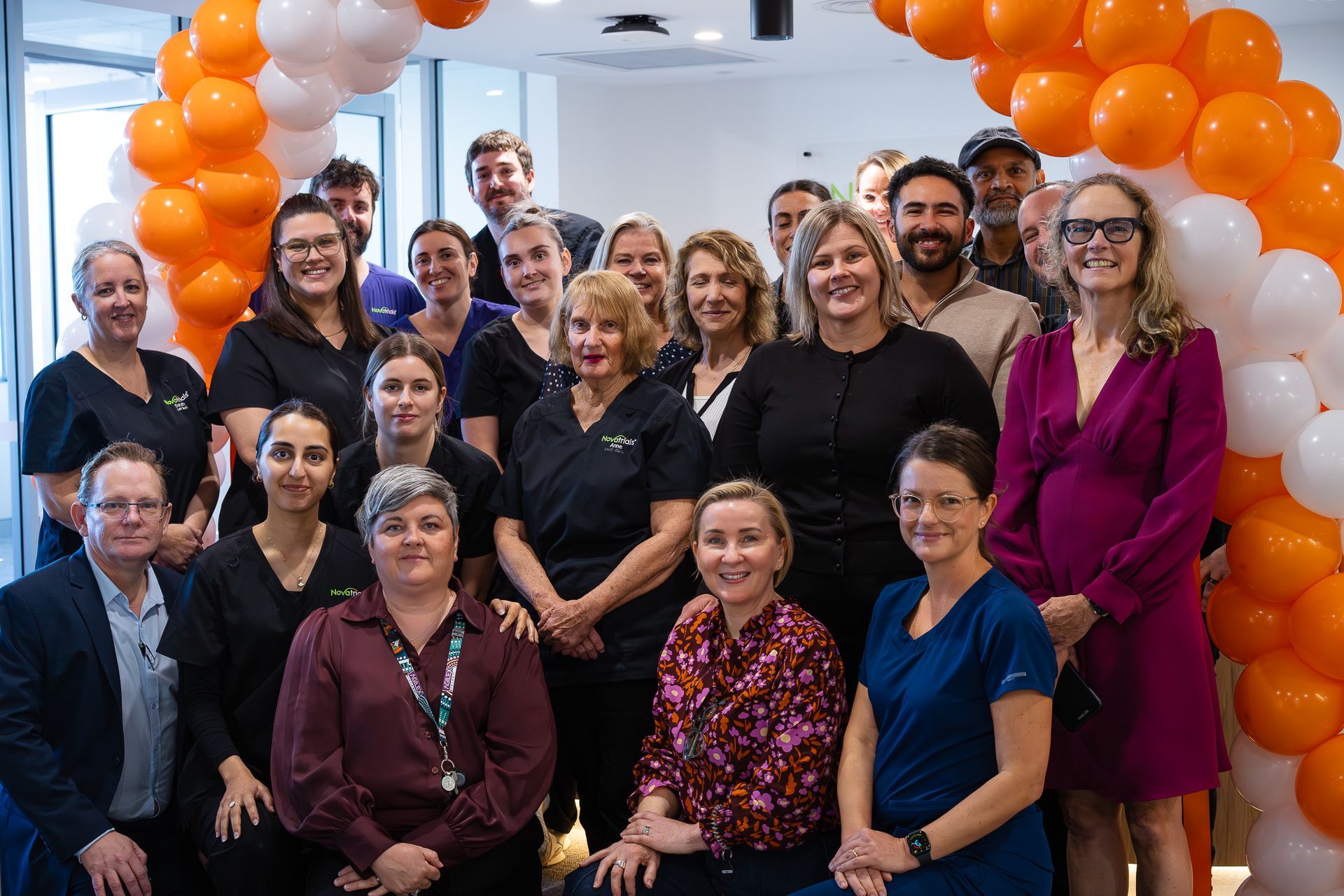
The Novatrials team celebrates International Clinical Trials Day
20 May 2026
International Clinical Trials Day is celebrated every year on 20 May. Novatrials thanks our team and participants for advancing healthcare research in Australia.
Two shoppers smiling over a grocery cart in a supermarket, with fresh produce and flowers nearby
29 April 2026
Wondering why clinical trials require contraception? We explain the safety reasons, which methods are accepted, and what to do if you're planning a pregnancy.
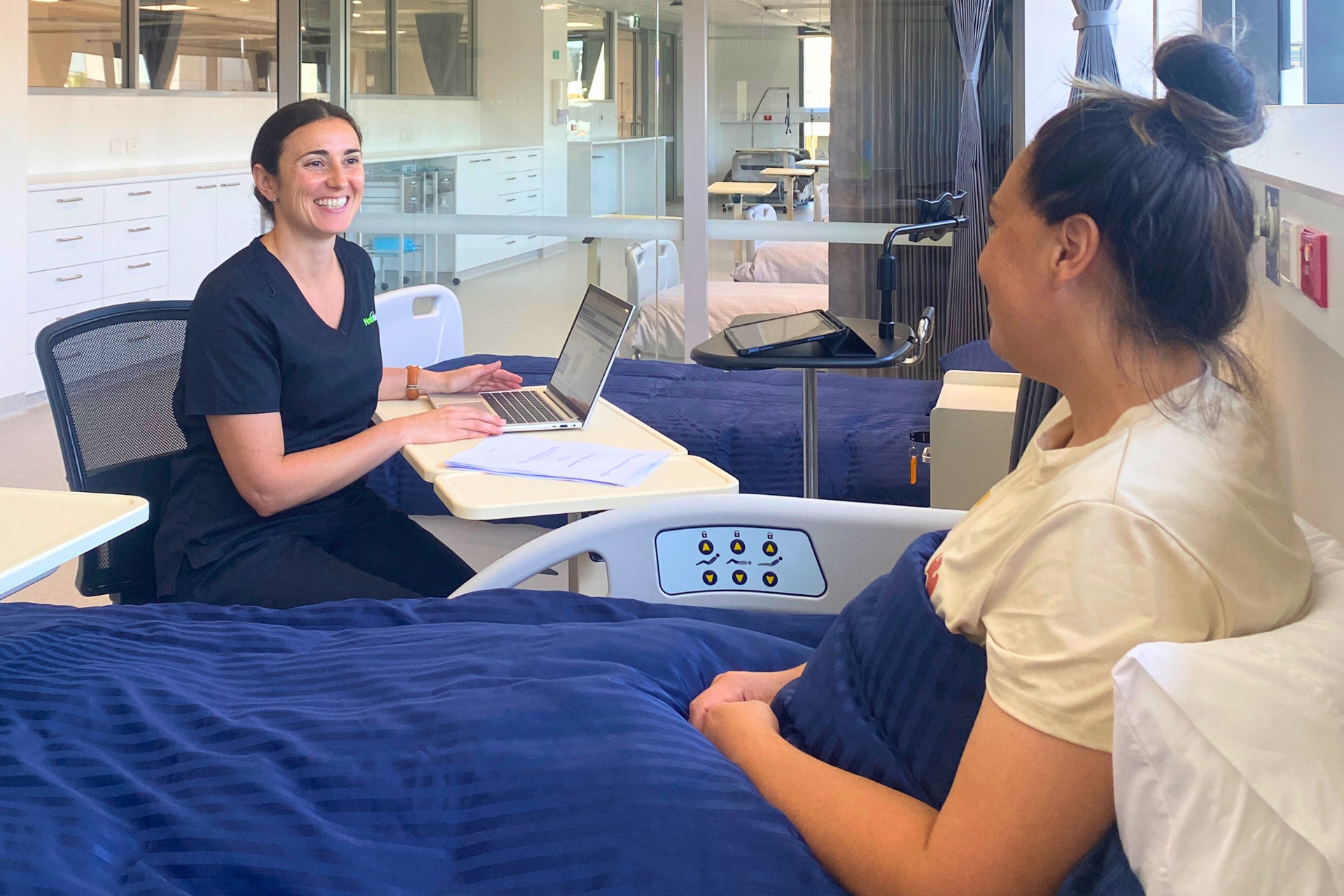
Woman in scrubs with a laptop smiles at a patient in a hospital bed.
2 March 2026
Discover what placebos are and why they're essential in clinical trials. Learn how researchers use them to test new treatments and ensure they really work.
Woman smiling at a patient while operating a skin analysis machine in a clinic setting.
5 February 2026
Learn what a Participant Information and Consent Form (PICF) is, why it matters, and how it protects your rights when participating in research in Australia.
Person in medical chair talking with a healthcare worker. Room setting, patient is wearing glasses.
9 January 2026
Discover what a clinical trial protocol is and why it matters. Learn how these detailed plans ensure participant safety and reliable medical research results.